







Access our multidisciplinary allied health services
Know you’re in safe hands with our experienced clinicians, working to improve the quality of life for your child.

Occupational therapy
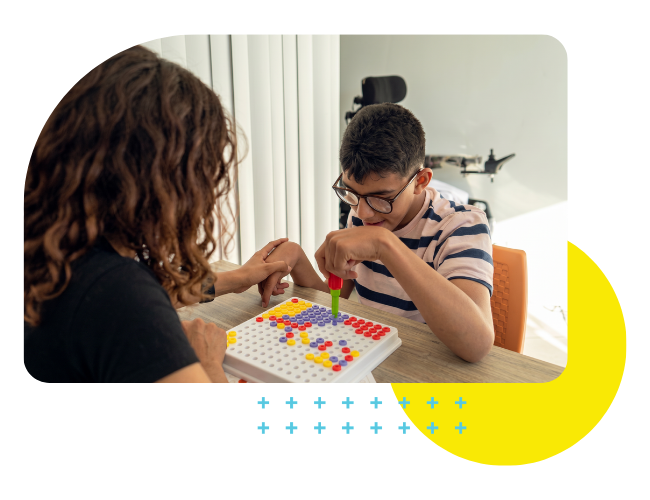
Our experienced occupational therapists find fun ways to engage children in fundamental development activities such as play, learning and socialising.
Our paediatric occupational therapy addresses challenges in sensory, motor, academic and socio-emotional development for children and adolescents with a variety of conditions and abilities.
Our OTs also work closely with parents and guardians to set meaningful goals and create plans to help children remove or overcome the barriers they face in daily life.
Speech and language therapy
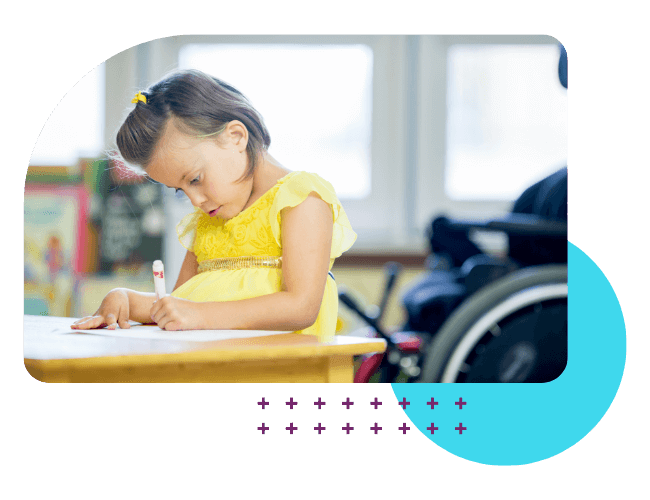
Empowering a child to communicate confidently and effectively can transform their life. Our speech and language therapists (SALT) work with children who have difficulties with speaking (including stuttering), listening, understanding language, reading, writing, chewing, swallowing, and meeting feeding milestones.
Our therapists create personalised programmes with strategies chosen to help each child overcome their communication, eating and swallowing difficulties while supporting their development.
Physiotherapy
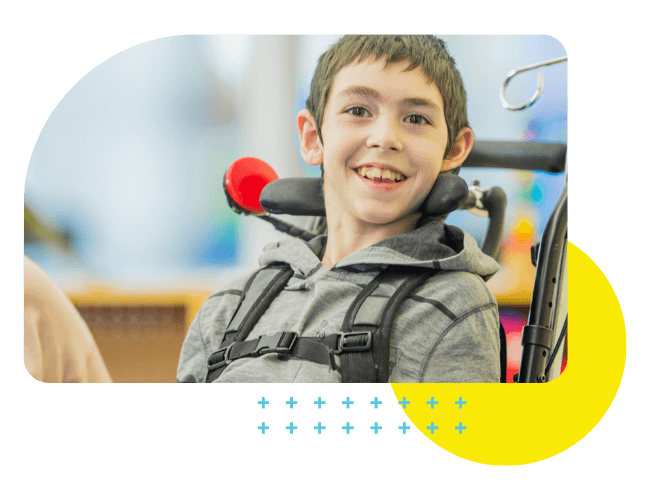
Independence and mobility are key to good health and wellbeing as they increase a child’s participation in the activities they enjoy, like playground games, sport, dance, and romping around the garden. And it’s important to address barriers to mobility in childhood, as physically active children have been found to grow into more active teens and adults.
Our physiotherapists help children and teens get the most out of life through a range of proven treatments and therapies tailored to overcome their barriers to moving with greater ease, comfort, confidence and safety. Depending on each child’s needs , their program can include specific exercises, movements and therapies to improve balance, coordination, endurance, strength, fitness, posture, and coordination.

Helping your child thrive with personalised care
We’re passionate about helping children overcome challenges, gain confidence, and accomplish their goals.
Which is why our OTs, speech and language therapists and physiotherapists conduct assessments and deliver personalised early interventions for children aged 0 to 25 in a timely manner. This means every therapy program is designed to meet each child’s specific needs and ensures vital support isn’t delayed.
At Better Days, our clinicians welcome the involvement of parents and carers to give them ways to create a supportive environment at home and help their child adopt and practice new skills and strategies between therapy sessions.
Our three steps to paediatric support include:
STEP 1
A comprehensive assessment of
your child to discover their needs and goals.
STEP 2
A discussion with you on our support recommendations, which might include a program of occupational therapy, speech and language therapy and/or physiotherapy for your child.
STEP 3
The creation of a personalised program for your child, which may include support from one clinician or a multidisciplinary team of two or three clinicians who will provide coordinated and comprehensive therapy face-to-face or via paediatric telehealth services.
FAQs
What services does Better Days provide?
Better Days‘ registered practitioners help people with occupational therapy, speech and language therapy, and physiotherapy. We provide therapy sessions In-clinic, in school, at home or via telehealth.
Do I need to have an assessment to get help from Better Days?
If you have not seen a Better Days practitioner before, you will need an assessment. This helps us identify your needs and work out how many sessions you require to work towards your goals.
Can I make changes to my Better Days service?
You can make changes to your service at any time. Depending on the changes, we may require an amendment to your service agreement.
Does Better Days have clinicians with experience working with children?
Better Days has many clinicians trained to help children from early childhood through to adolescence. They work closely with the child’s family and/or support workers at home, in schools and in the community.